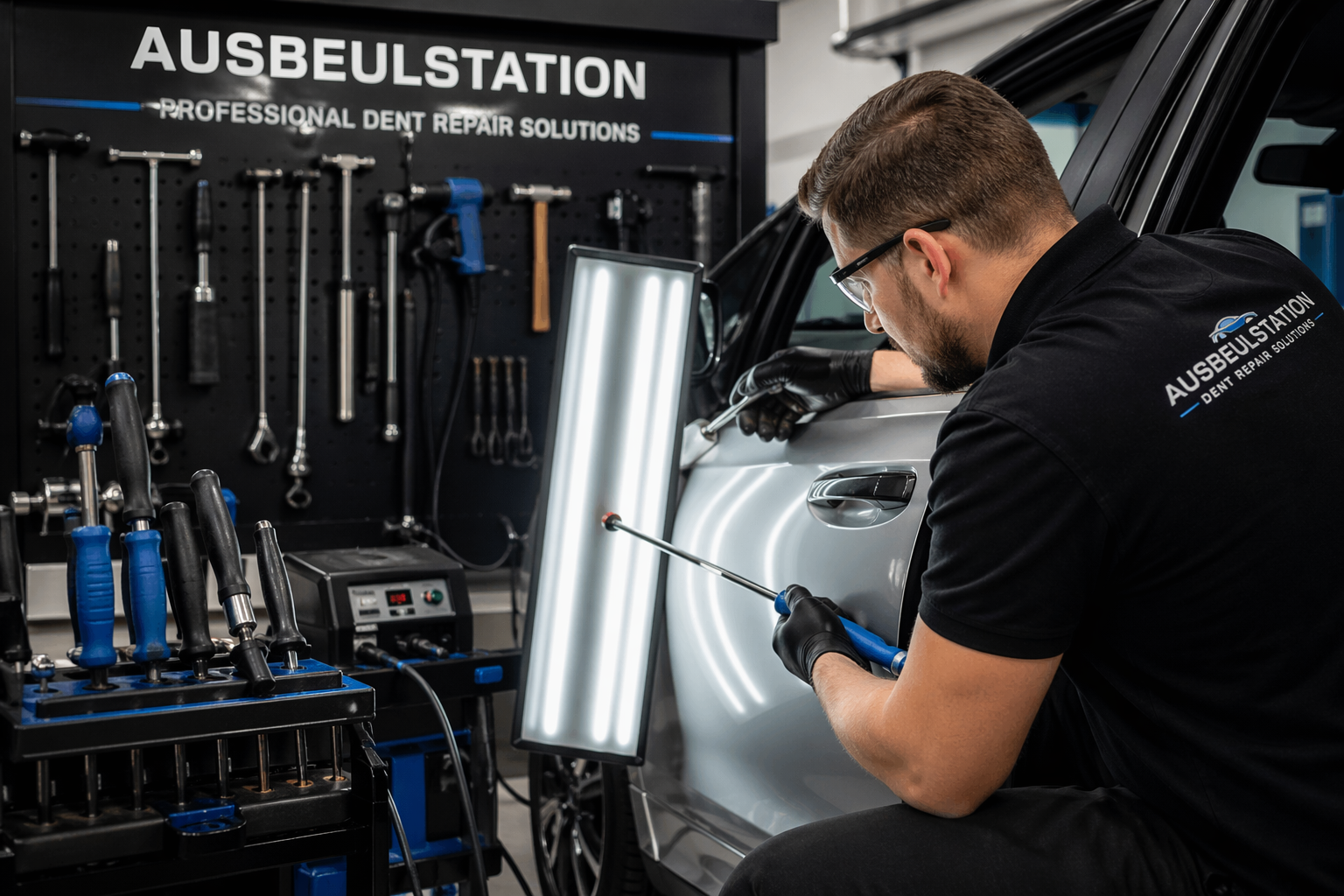
Ausbeulstation: Fix Car Dents Without Repainting
Car dents are frustrating. Whether it’s a parking mishap or hail damage, even a small dent can ruin the look of your vehicle. Traditionally, fixing dents meant sanding, filling, and repainting—an expensive and time-consuming process. But today, there’s a smarter solution: the ausbeulstation.
This modern repair system is changing how technicians handle dents. It focuses on precision instead of replacement. The result? Faster repairs, lower costs, and a factory-like finish. As automotive technology evolves, the ausbeulstation has become a trusted method in professional workshops worldwide. If you’re exploring modern repair solutions, you can also check detailed insights on paintless dent repair techniques at https://trastel.com/.
If you want to understand how it works and why it’s gaining popularity, this guide breaks everything down in simple terms.
What Is an Ausbeulstation and Why It Matters
An ausbeulstation is a specialized workstation designed for dent removal without repainting. The term comes from German, where “ausbeulen” means removing dents. It represents a complete setup equipped with tools that reshape metal panels back to their original form.
What makes it important today is its efficiency. Modern car owners want quick, affordable, and high-quality repairs. This method delivers exactly that. Instead of replacing parts or using heavy fillers, technicians work directly on the dent with precision tools. For more about modern automotive repair methods, visit https://trastel.com/.
This approach not only saves time but also preserves the original paint. That’s a major advantage because factory paint is more durable and valuable than aftermarket repainting.
How an Ausbeulstation Works Step by Step
The process inside an ausbeulstation is simple but requires skill. It begins with a careful inspection. Technicians use special lighting to detect even the smallest dents.
Next, they clean the surface and choose the right repair method. For some dents, glue pulling is used. For others, tools like rods or spot welders help reshape the metal. The goal is to gently push or pull the dent back into place.
Once the dent is corrected, the surface is refined. Minor adjustments ensure the panel looks perfectly smooth. In many cases, the repair is invisible. This step-by-step precision is what makes the ausbeulstation so effective compared to traditional techniques. You can explore more professional repair workflows at https://trastel.com/.
Key Tools Used in an Ausbeulstation
A professional ausbeulstation includes a range of specialized tools that work together to deliver precise results.
- Dent pulling tools like slide hammers and glue tabs
- Spot welders for strong grip on deeper dents
- LED lighting systems to highlight imperfections
- Induction heaters to soften metal safely
- Precision rods for controlled pushing from inside panels
- Soft hammers for finishing touches
Each tool has a specific purpose. Together, they allow technicians to handle different dent types efficiently and safely.
Benefits of Using an Ausbeulstation
The rise of the ausbeulstation is driven by its clear advantages over traditional repair methods.
- Faster turnaround, often within hours
- Lower repair costs due to minimal materials
- No need for repainting in most cases
- Eco-friendly process with less waste
- Maintains original vehicle value
- Ideal for insurance-approved repairs
These benefits make it a preferred choice for both car owners and professional workshops. To understand cost-saving strategies in auto repair, check https://trastel.com/.
Ausbeulstation vs Traditional Dent Repair
Traditional dent repair involves multiple steps like sanding, filling, priming, and painting. This process takes time and increases costs. It also changes the original surface of the vehicle.
An ausbeulstation, on the other hand, focuses only on the damaged area. It restores the metal without affecting surrounding panels. This targeted approach reduces repair time and keeps the factory finish intact.
Another key difference is value retention. Cars repaired using traditional methods may lose resale value due to repainting. With an ausbeulstation, the original condition is preserved, which buyers prefer.
Real Case Study: Saving Time and Money with Ausbeulstation
Imagine a car damaged by a sudden hailstorm. The hood and roof are covered with small dents. Traditionally, this would require repainting large sections, costing hundreds or even thousands of dollars.
Using an ausbeulstation, technicians can repair each dent individually. In one real scenario, a mid-sized car with over 30 small dents was restored in a single day. The cost was significantly lower than conventional repair methods.
The result? The car looked as good as new, with its original paint intact. This example highlights why many insurance companies recommend this method for minor damage repairs. You can read similar repair case insights at https://trastel.com/.
Industries Where Ausbeulstation Is Used
Although commonly used in automotive workshops, the ausbeulstation has wider applications. It is valuable anywhere metal surfaces need restoration.
In the auto industry, it handles dents from accidents, parking damage, and weather events. Fleet companies use it to maintain vehicles and reduce downtime.
In manufacturing, it helps repair metal components without replacing them. Even in construction, it can restore damaged panels efficiently. This versatility makes it a powerful tool across industries.
Latest Trends in Ausbeulstation Technology
Technology is continuously improving the capabilities of the ausbeulstation. Modern systems now include advanced lighting and digital tools that enhance precision.
Some setups use smart sensors to guide technicians during repairs. These tools reduce errors and improve consistency. Portable ausbeulstation units are also becoming popular, allowing on-site repairs.
Another trend is compatibility with modern vehicle materials like aluminum. As car designs evolve, these stations are adapting to handle new challenges while maintaining high-quality results.
How to Choose the Right Ausbeulstation
Choosing the right ausbeulstation is important for workshop owners. Not all systems offer the same quality or features.
Look for equipment that supports multiple repair techniques. A good station should include durable tools and proper lighting systems. Compatibility with different metals is also essential.
Ease of use and organization matter as well. A well-designed station improves workflow and saves time. Investing in a high-quality setup ensures better results and long-term reliability.
FAQs
- What is an ausbeulstation used for?
It is used to remove dents from vehicles without repainting, restoring the original shape of metal panels. - Is this method safe for car paint?
Yes, it is designed to preserve the original paint, making it safer than traditional repair methods. - How long does a repair take?
Most repairs are completed within a few hours, depending on the damage. - Can deep dents be fixed?
Many deep dents can be repaired, but extremely severe damage may need traditional methods. - Why is it better than repainting?
It saves money, keeps the original finish, and maintains the vehicle’s resale value.
Conclusion
The automotive repair industry is shifting toward smarter solutions, and the ausbeulstation is leading this change. It offers a faster, more efficient, and cost-effective way to fix dents without compromising quality.
By preserving original paint and reducing repair time, it meets the expectations of modern car owners. Workshops benefit from higher productivity and customer satisfaction.
As technology advances, the ausbeulstation will continue to grow in importance. It’s not just a trend—it’s the future of dent repair. For more expert insights and updates, visit https://trastel.com/.