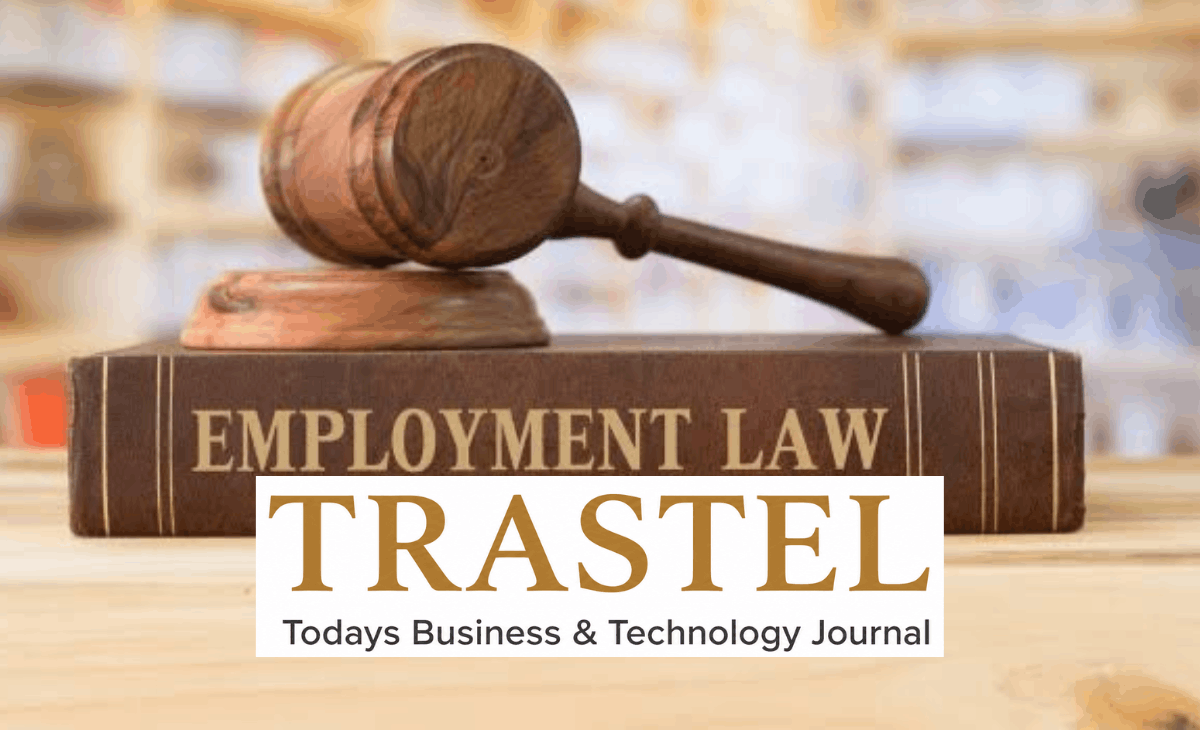
Workplace disputes can happen in any industry. Employees may face discrimination, unpaid wages, harassment, retaliation, or wrongful termination. Employers can also encounter legal challenges involving contracts, compliance, or employee claims. In these situations, an employment law attorney can help protect legal rights and guide clients through complex employment laws.
Employment law continues to evolve. Recent trends include increased attention to workplace discrimination claims, AI use in hiring, employee privacy, paid leave regulations, and changing Equal Employment Opportunity Commission (EEOC) enforcement priorities. EEOC data also shows continued growth in workplace discrimination complaints and significant financial recoveries for employees through settlements and mediation rather than lengthy court battles.
This guide explains what employment attorneys do, when you should hire one, what cases they handle, and how they can help both employees and businesses.
What Is an Employment Law Attorney?
An employment law attorney is a lawyer who focuses on workplace laws governing the relationship between employers and employees. Their job is to ensure that workplace rights are protected while helping clients understand complex legal requirements.
Employment attorneys represent both employees and employers. For employees, they may pursue claims involving discrimination, harassment, unpaid wages, or retaliation. For employers, they help create compliant workplace policies, draft employment agreements, defend lawsuits, and reduce legal risks.
Employment laws exist at federal, state, and local levels, making legal compliance increasingly complicated. An experienced attorney understands these overlapping rules and provides practical solutions that fit each situation. Their guidance often prevents costly disputes before they reach court.
Common Cases an Employment Law Attorney Handles
Employment attorneys manage many workplace disputes. Some of the most common include:
- Wrongful termination
- Workplace discrimination
- Sexual harassment
- Disability discrimination
- Pregnancy discrimination
- Wage and overtime disputes
- Family and medical leave issues
- Workplace retaliation
- Employment contracts
- Severance agreements
- Whistleblower claims
- Non-compete agreement disputes
As workplace laws continue to change, attorneys also advise businesses on AI hiring compliance, employee monitoring practices, workplace investigations, and evolving labor regulations. These areas have become major legal priorities in recent years.
Signs You Should Hire an Employment Law Attorney
Many workers wait too long before speaking with a lawyer. In reality, early legal advice often improves outcomes because evidence can be preserved and deadlines are less likely to be missed.
You should consider contacting an attorney if you experience unfair treatment after reporting misconduct, receive sudden disciplinary action without explanation, are denied legally protected leave, face repeated workplace harassment, or believe your employer has violated your employment contract. Employers should also seek legal advice before terminating employees in sensitive situations or implementing major workplace policy changes.
Employment cases often involve strict filing deadlines. Missing them may prevent you from pursuing legal remedies, making prompt legal consultation extremely important.
Employee Rights Every Worker Should Know
Employees have numerous legal protections designed to create fair workplaces. These rights vary depending on location, but many important protections exist across multiple jurisdictions.
Workers generally have protection against unlawful discrimination based on protected characteristics. Laws also prohibit retaliation against employees who report illegal conduct or participate in workplace investigations.
Many employees have rights related to overtime pay, minimum wages, medical leave, workplace safety, reasonable accommodations for disabilities, and family leave. Some jurisdictions also provide protections for whistleblowers, pregnancy accommodations, and equal pay.
Understanding these rights helps employees recognize potential violations early. It also enables employers to develop policies that reduce legal exposure while maintaining a respectful work environment.
How Employment Attorneys Help Employers Stay Compliant
Many people assume employment lawyers only handle lawsuits. In reality, prevention is a major part of their work.
Businesses rely on employment attorneys to review hiring procedures, employee handbooks, workplace investigations, disciplinary policies, termination processes, compensation practices, and compliance with changing labor laws. Attorneys also conduct legal audits that identify risks before disputes arise.
Modern workplaces face new legal challenges involving artificial intelligence, remote work, employee monitoring, privacy concerns, and changing discrimination laws. Legal guidance allows employers to adapt their policies while reducing litigation risks and maintaining regulatory compliance.
How Much Does an Employment Law Attorney Cost?
Legal fees vary depending on the complexity of the case and the attorney’s billing method.
Some common payment arrangements include:
- Hourly billing
- Flat fees for contracts or policy reviews
- Contingency fees for employee lawsuits
- Retainer agreements for businesses
- Consultation fees
Many employee-side attorneys offer free initial consultations for discrimination or wrongful termination claims. During that meeting, they evaluate the strength of the case and explain available legal options.
Businesses often invest in ongoing legal counsel because preventive legal advice is usually less expensive than defending lawsuits.
What Happens During an Employment Lawsuit?
Employment lawsuits usually begin with gathering evidence. This may include employment contracts, emails, performance reviews, payroll records, witness statements, and internal complaints.
Many cases first go through administrative agencies before entering court. Mediation is also common and often results in settlements without trial. If settlement efforts fail, the case proceeds through discovery, depositions, pretrial motions, and eventually trial if necessary.
Recent EEOC statistics show that many workplace disputes are resolved through mediation or conciliation instead of courtroom litigation, helping employees recover compensation more quickly while reducing legal costs.
Real Example: Workplace Discrimination Settlement
A useful real-world example involves the U.S. Equal Employment Opportunity Commission’s enforcement efforts.
According to recent EEOC reports, the agency recovered approximately $660 million for workers during Fiscal Year 2025 through settlements, mediation, conciliation, and litigation involving workplace discrimination claims. Much of this compensation was secured before cases reached trial, demonstrating how early legal intervention often leads to successful outcomes for employees.
While every case differs, this example highlights why experienced legal representation can make a significant difference. Attorneys understand procedural requirements, negotiate effectively, and ensure clients pursue all available legal remedies.
Choosing the Right Employment Law Attorney
Finding the right attorney requires more than choosing the first name online. Experience with employment law should be the primary consideration.
Look for lawyers who regularly handle cases similar to yours. Ask about their courtroom experience, settlement history, communication style, fee structure, and estimated timeline. Reading verified client reviews and confirming professional licensing can also help you make an informed decision.
A strong attorney should explain legal issues clearly without making unrealistic promises. Honest communication builds trust and allows clients to understand both the strengths and challenges of their case.
Final Thoughts on Employment Law Attorney Services
Whether you are an employee facing workplace discrimination or an employer trying to remain legally compliant, an employment law attorney provides valuable legal guidance throughout every stage of the employment relationship.
Employment laws continue to evolve as workplaces adopt new technologies, remote work arrangements, and changing regulatory requirements. Seeking legal advice early often prevents small issues from becoming expensive legal disputes. With proper representation, employees can better protect their rights, while employers can build safer, more compliant workplaces that reduce legal risk and improve employee confidence.
FAQ’s
1. What does an employment law attorney do?
Employment attorneys handle workplace legal issues including discrimination, wrongful termination, wage disputes, contracts, and employer compliance.
2. When should I hire an employment attorney?
You should seek legal advice if you believe your workplace rights have been violated or before making major employment-related decisions.
3. Can an employment lawyer help before filing a lawsuit?
Yes. Many disputes are resolved through negotiations, mediation, or administrative claims without going to court.
4. Do employment attorneys represent employers too?
Yes. Many attorneys advise businesses on workplace policies, compliance, investigations, contracts, and litigation defense.
5. How long does an employment case usually take?
Some disputes settle within a few months, while complex litigation can take a year or more depending on the facts and court schedule.