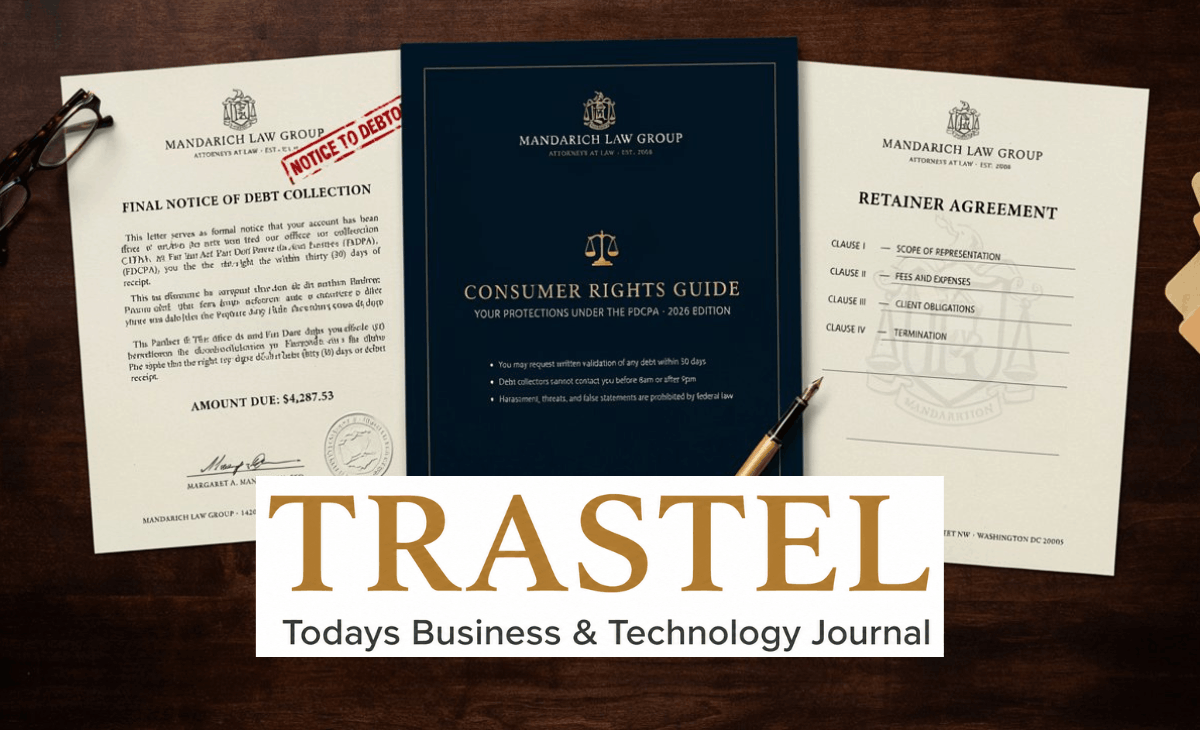
Receiving a letter or lawsuit from Mandarich Law Group can feel stressful, especially if you are unfamiliar with debt collection law firms. Many people first learn about the firm after receiving a demand letter, settlement offer, or court summons. Understanding what the firm does, your legal rights, and the appropriate next steps can make a significant difference.
This guide explains how Mandarich Law Group operates, why consumers may receive communication from the firm, what current trends show, and how to protect yourself while staying compliant with the law. The information is educational and should not replace advice from a licensed attorney.
What Is Mandarich Law Group?
Mandarich Law Group is a U.S. law firm that primarily represents creditors and debt buyers in consumer debt collection matters. The firm handles pre-litigation collections, negotiates payment arrangements, files lawsuits when necessary, and assists clients in enforcing judgments where permitted by law.
The firm has been operating for many years and represents financial institutions, debt purchasers, and collection agencies. Recent public information also indicates that it continues expanding its litigation activities across numerous states. Consumer complaints generally relate to debt collection communications, payment disputes, and requests for debt validation. Like many firms in this field, it also responds to consumer concerns through established complaint resolution processes.
Why You May Receive a Letter from Mandarich Law Group
Receiving correspondence does not automatically mean you have done something wrong. It usually means the firm believes you owe a debt to one of its clients or has been hired to collect on behalf of a creditor.
Common reasons include:
- An unpaid credit card balance
- A charged-off personal loan
- A purchased debt now owned by a debt buyer
- A defaulted retail financing account
- Collection activity before or after a lawsuit
Many consumers receive either a settlement offer, an intent-to-sue notice, or formal court documents. Ignoring these communications can lead to additional legal complications, so reviewing them carefully before taking action is important.
How Debt Collection Laws Protect Consumers
Federal and state laws provide important protections for consumers dealing with debt collectors and collection attorneys. The Fair Debt Collection Practices Act (FDCPA) establishes rules regarding communication, harassment, misleading statements, and debt validation.
Consumers generally have the right to request verification of a debt if they believe the information is inaccurate. They may also dispute incorrect balances or identify identity theft issues if applicable. While these protections exist, responding within applicable legal deadlines is essential, particularly if court documents have been served. Missing deadlines can result in default judgments regardless of whether legal defenses may exist.
Understanding these protections allows consumers to communicate confidently and ensure collection efforts follow applicable legal standards.
What Happens If a Lawsuit Is Filed by Mandarich Law Group?
When litigation begins, the process typically follows state court procedures. After being served, consumers usually have a limited period to file an official response with the court.
Ignoring the lawsuit may allow the creditor to seek a default judgment. If a judgment is entered, additional collection remedies could become available depending on state law.
Typical stages include:
- Receiving a summons and complaint
- Filing a timely answer with the court
- Exchanging evidence
- Settlement negotiations
- Court hearings or trial if necessary
Every case is different, and legal procedures vary between states. Acting promptly generally provides more options than waiting until after deadlines expire. Consumer attorneys often recommend responding instead of ignoring legal papers because default judgments are much harder to challenge later.
Understanding Debt Validation and Documentation
One of the most important concepts in debt collection is debt validation. If a consumer questions whether a debt is accurate or legally collectible, requesting supporting documentation may help clarify the situation.
Documentation may include account statements, ownership records, assignment history, payment history, or other evidence showing how the current creditor obtained the account.
Reviewing documents carefully can help identify issues such as incorrect balances, duplicate accounts, mistaken identity, expired statutes of limitation, or unauthorized charges. If inaccuracies exist, consumers may have grounds to dispute all or part of the claimed balance.
Keeping copies of every letter, email, and payment confirmation is equally important throughout the process.
Common Consumer Experiences with Mandarich Law Group
Publicly available consumer reports reveal several recurring themes involving interactions with the firm. While experiences vary widely, many discussions involve debt validation requests, settlement negotiations, payment processing questions, and litigation notices.
Some consumers report resolving matters through negotiated payment plans, while others dispute ownership of the debt or challenge documentation. Individual outcomes depend heavily on each person’s circumstances, available evidence, and compliance with legal procedures.
Practical Steps After Receiving a Collection Notice
Receiving legal correspondence can be overwhelming, but staying organized often improves the situation considerably.
Helpful steps include:
- Read every document carefully.
- Verify the claimed debt.
- Check court deadlines immediately.
- Keep copies of all communications.
- Avoid ignoring official legal papers.
- Consider consulting a qualified consumer attorney.
- Maintain written records of every payment or agreement.
These actions help preserve important rights and reduce misunderstandings during the collection process.
Real Example: Resolving a Payment Dispute
In one publicly documented complaint, a consumer reported that an installment payment continued after the account had already been paid in full. After reviewing the matter, the law firm identified the accounting issue, refunded the extra payment, and confirmed that the account had been fully satisfied.
This example demonstrates that documented communication and prompt follow-up can sometimes resolve payment-related disputes without lengthy legal action. It also highlights the importance of saving payment receipts and monitoring bank statements after completing any settlement agreement.
How to Protect Yourself Throughout the Process
Whether the debt is valid or disputed, maintaining accurate records is one of the best ways to protect yourself. Save every letter, court document, payment confirmation, email, and certified mail receipt.
Never rely solely on verbal agreements. Whenever possible, request written confirmation of settlements, payment plans, account satisfaction, or dismissal agreements.
Consumers should also review their credit reports periodically to ensure resolved accounts are reported accurately. If errors appear after resolution, they should dispute them through the appropriate credit reporting process. Careful documentation reduces confusion and provides valuable evidence if disagreements arise later.
Final Thoughts on Mandarich Law Group
Understanding Mandarich Law Group helps consumers respond with confidence rather than fear. Receiving a collection notice or lawsuit does not automatically determine the outcome of a case. Knowing your rights, responding promptly, reviewing documentation carefully, and seeking legal advice when necessary can significantly improve your position.
While many matters are resolved through payment arrangements or settlements, others require formal legal responses. The key is remaining informed, organized, and proactive. By understanding how Mandarich Law Group operates and what legal protections are available, consumers can make informed decisions that best fit their individual circumstances.
FAQ’s
1. Is Mandarich Law Group a legitimate law firm?
Yes. It is a law firm that represents creditors and debt buyers in consumer debt collection matters across multiple U.S. states.
2. Can Mandarich Law Group file a lawsuit?
Yes. If authorized by its client and permitted under applicable law, the firm may initiate debt collection lawsuits.
3. Should I ignore a letter from Mandarich Law Group?
No. Always review the notice carefully and respond appropriately, especially if it contains court documents or legal deadlines.
4. Can I request proof of the debt?
Yes. Consumers may have the right to request debt validation or dispute inaccurate information under applicable consumer protection laws.
5. Should I hire an attorney?
If you receive a lawsuit, believe the debt is incorrect, or have questions about your rights, consulting a qualified consumer attorney is often a wise decision.