If you’ve ever studied American government or prepared for the U.S. citizenship test, you’ve probably heard the question: what is the supreme law of the land? The answer is simple, but its meaning has shaped the United States for more than two centuries.
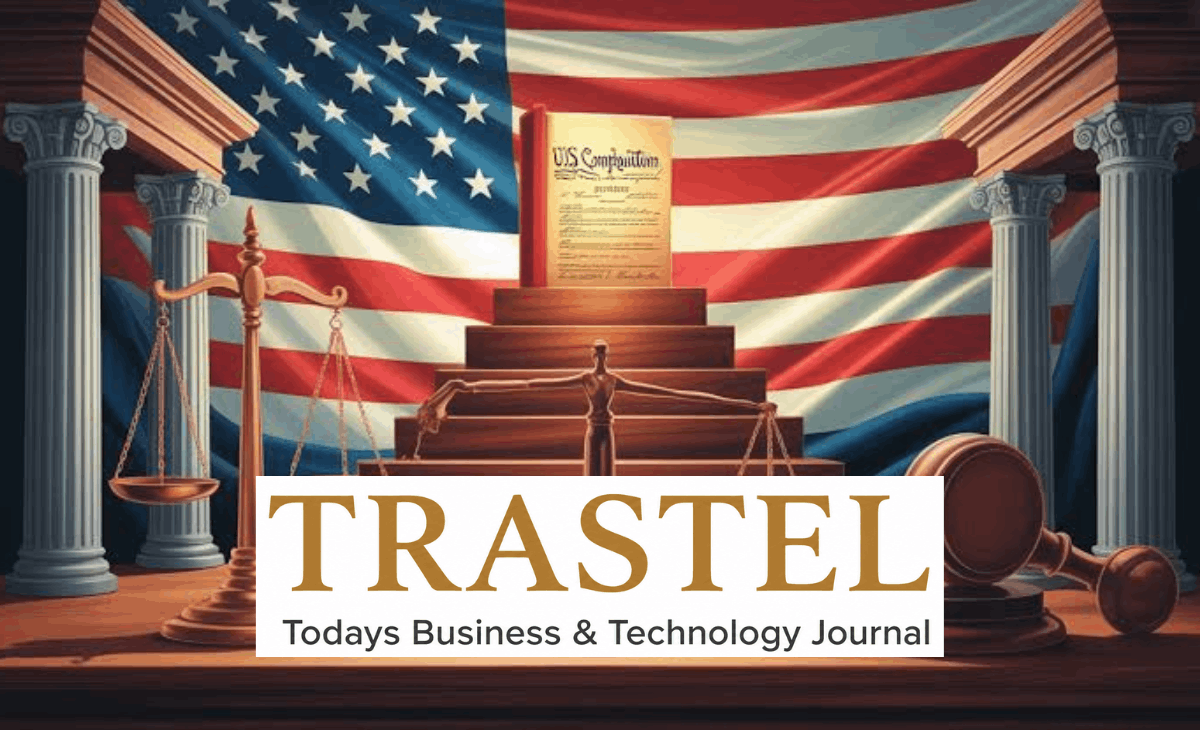
The United States Constitution is recognized as the supreme law of the land. This principle comes directly from Article VI, often called the Supremacy Clause, which establishes that the Constitution, federal laws made under it, and treaties made under U.S. authority take precedence over conflicting state laws.
Understanding this concept is essential because it explains how the American legal system maintains consistency across all fifty states. Whether the issue involves civil rights, education, healthcare, immigration, or business regulations, the Constitution serves as the ultimate legal authority.
What Is the Supreme Law of the Land and Why Does It Matter?
The answer to what is the supreme law of the land is the U.S. Constitution. Written in 1787 and ratified in 1788, it established the structure of the federal government while protecting the rights and freedoms of citizens. Unlike ordinary laws that Congress can change, constitutional amendments require a much more demanding process, ensuring long-term stability. Article VI clearly states that the Constitution, along with constitutional federal laws and treaties, overrides conflicting state laws. This foundation creates a single legal framework for the entire nation and prevents states from ignoring constitutional protections.
The History Behind the Constitution
The Constitution was drafted after leaders recognized that the Articles of Confederation gave the federal government too little authority. The Constitutional Convention in Philadelphia brought together delegates who wanted a stronger but carefully limited national government. Their solution created three branches of government with checks and balances while protecting individual freedoms. Since its adoption, the Constitution has become the world’s oldest written national constitution still in continuous use. Its flexibility has allowed it to guide the nation through wars, economic crises, technological change, and social progress without losing its core principles.
Understanding the Supremacy Clause
The Supremacy Clause appears in Article VI, Clause 2 of the Constitution. It declares that the Constitution, federal laws made according to it, and treaties made under U.S. authority are the “supreme Law of the Land.” This means that when a valid federal law conflicts with a state law, the federal law prevails. State judges are legally required to follow this rule even if their own state’s constitution or statutes say something different. This clause helps maintain legal consistency across the country while preserving the balance between state and federal governments.
What Is the Supreme Law of the Land in Everyday Life?
Many people think constitutional law affects only lawyers or judges, but it influences daily life more than most realize. Constitutional protections affect free speech, voting rights, religious freedom, criminal justice, education, property ownership, and countless other areas. Businesses rely on constitutional principles for interstate commerce, while citizens depend on constitutional rights for equal protection and due process. Every time a court resolves a conflict between state and federal law, the Constitution provides the legal foundation that guides the decision and protects consistent application of justice throughout the nation.
Key Principles Protected by the Constitution
The Constitution safeguards several core principles that define American democracy.
- Separation of powers among three branches of government
- Checks and balances to prevent abuse of power
- Individual rights protected through the Bill of Rights
- Federalism that divides authority between states and the federal government
- Equal protection and due process under the law
- Peaceful amendment process for constitutional changes
These principles continue to shape government decisions and protect citizens’ freedoms across generations.
A Real Example of the Supreme Law in Action
One of the most significant examples is Marbury v. Madison (1803). In this landmark case, the U.S. Supreme Court established the principle of judicial review, giving courts the authority to declare laws unconstitutional when they conflict with the Constitution. This decision reinforced the Constitution’s position as the nation’s highest legal authority. Since then, courts have used judicial review to protect constitutional rights and ensure that federal and state governments remain within their constitutional limits. The case continues to be studied in law schools and remains one of the most influential judicial decisions in American history.
Common Misunderstandings About the Supreme Law of the Land
Many people assume that every federal law automatically overrides state law. In reality, only federal laws that are made according to the Constitution have supremacy. Another common misunderstanding is believing that states have no authority. States retain broad powers in areas such as education, public safety, transportation, and local government. Conflicts arise only when state laws contradict constitutional federal authority. Understanding this balance helps explain why both state and federal governments play essential roles within the American legal system.
Why the Constitution Still Matters Today
Although written more than 230 years ago, the Constitution continues to guide modern legal debates involving technology, privacy, immigration, elections, healthcare, and free speech. Courts regularly interpret constitutional language to address issues that the Founding Fathers could never have imagined. Recent Supreme Court decisions involving voting rights, immigration, and constitutional protections demonstrate how the Constitution remains central to American governance and public policy. While legal interpretations may evolve, the Constitution remains the highest legal authority in resolving these important questions.
Quick Facts Everyone Should Know
Here are a few essential facts to remember.
- The Constitution was signed in 1787.
- It became effective in 1789.
- Article VI contains the Supremacy Clause.
- Federal laws must comply with the Constitution.
- State laws cannot override constitutional federal law.
- The Supreme Court interprets constitutional disputes.
- The Constitution has been amended 27 times.
These facts provide a solid foundation for understanding how the American legal system operates.
Conclusion
So, what is the supreme law of the land? The answer is the United States Constitution. Through the Supremacy Clause in Article VI, it establishes the highest legal authority in the nation and ensures that constitutional federal laws and treaties prevail over conflicting state laws. This framework protects individual rights, preserves the balance of governmental powers, and creates legal consistency across the United States.
More than two centuries after its creation, the Constitution continues to guide lawmakers, judges, businesses, and citizens. Its principles remain as relevant today as they were when the nation was founded, making it one of the most influential legal documents in world history.
FAQ’s
1. What is the supreme law of the land?
The U.S. Constitution is the supreme law of the land. It is the highest legal authority in the United States.
2. Where is the supreme law of the land mentioned?
It is stated in Article VI, Clause 2 of the Constitution, known as the Supremacy Clause.
3. Can a state law override the Constitution?
No. If a state law conflicts with the Constitution or valid federal law, the state law cannot prevail.
4. Why is the Constitution considered supreme?
It establishes the nation’s government, protects rights, and serves as the legal foundation for all federal and state laws.
5. Why is this question asked in the U.S. citizenship test?
It helps ensure applicants understand one of the most important principles of American government and constitutional law.