Begoodpeople: The Ultimate Proven Guide to Building a Better Life
The concept of begoodpeople has become more than just a phrase. It is now a powerful mindset that encourages kindness, empathy, and responsible behavior in everyday life. In a world filled with stress and fast-paced routines, people are searching for meaning, connection, and positivity. This is where the idea of begoodpeople stands out.
At its heart, this concept is simple. It asks one important question: What if everyone made an effort to be good to others? That small shift in thinking can create big changes. From personal relationships to workplaces and communities, kindness has the power to transform how we live and interact.
Today, more individuals and organizations are embracing this philosophy. They see that being kind is not just morally right, but also practical and impactful. This article explores everything you need to know about begoodpeople, including its meaning, benefits, real-life examples, and how you can apply it in your life.
What Is begoodpeople and Why It Matters More Than Ever
The term begoodpeople represents a lifestyle built on kindness, empathy, and respect. It is not limited to one group, brand, or movement. Instead, it reflects a universal value that people across the world can understand and practice.
In today’s environment, people face constant pressure from work, social expectations, and digital distractions. These challenges often lead to misunderstandings and disconnection. The begoodpeople mindset helps counter this by encouraging simple, positive actions.
When people treat each other with kindness, trust grows. Communication improves. Conflicts become easier to resolve. This is why the concept is gaining attention in both personal and professional spaces.
It also matters because it is practical. You do not need money, power, or special skills to be kind. Anyone can practice it. That makes it one of the most accessible ways to create change.
The Story Behind begoodpeople and Its Growing Popularity
The idea behind begoodpeople began with a simple observation: people often forget how important it is to treat others well. This realization sparked a movement that encourages individuals to pause and reflect on their actions.
Over time, the message spread through communities, workplaces, and social platforms. People connected with its simplicity and authenticity. Unlike complex self-help strategies, this idea focuses on basic human values.
Its popularity continues to grow because it feels real. It does not promise instant success or perfection. Instead, it promotes steady improvement through everyday actions.
Another reason for its growth is its flexibility. The concept can be applied in many areas of life, from parenting and education to leadership and teamwork. This adaptability makes it relevant for people of all ages and backgrounds.
Core Principles That Define the begoodpeople Mindset
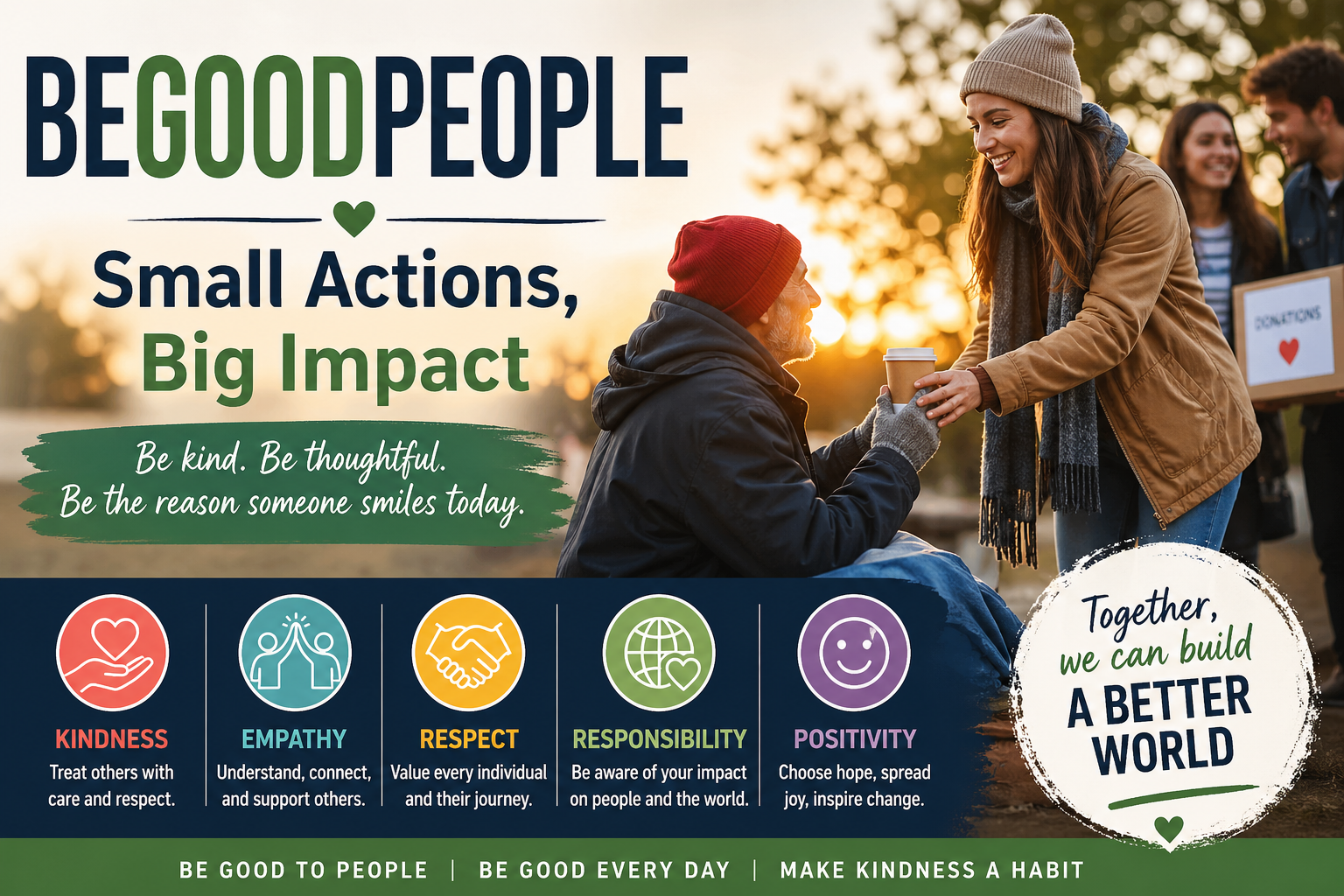
The begoodpeople philosophy is built on a set of core principles that guide behavior. These principles are easy to understand but powerful when practiced consistently.
- Empathy: Understanding how others feel and responding with care
- Kindness: Taking actions that help or uplift others
- Respect: Treating everyone with fairness and dignity
- Responsibility: Being aware of how your actions affect others
- Positivity: Choosing a constructive and hopeful outlook
These principles act as a foundation. When people follow them, their interactions become more meaningful. Relationships improve, and environments become more supportive.
The key is consistency. Practicing these values daily helps turn them into habits. Over time, they shape character and influence others in a positive way.
Discover exclusive content from Trastel
How begoodpeople Is Shaping Modern Society
The influence of begoodpeople can be seen in many areas of modern life. From workplaces to social platforms, there is a growing emphasis on kindness and ethical behavior.
Organizations are focusing more on employee well-being and positive culture. They understand that a supportive environment leads to better results. Teams that communicate with respect and empathy perform more effectively.
In communities, people are creating initiatives that promote helping others and building connections. These efforts strengthen social bonds and create a sense of belonging.
Even in digital spaces, there is a shift toward encouraging positive interactions. People are becoming more aware of the impact their words and actions have on others.
This cultural shift shows that kindness is not just a personal choice. It is becoming a shared value that influences how society functions.
Simple Ways to Practice begoodpeople Every Day
Living the begoodpeople philosophy does not require big changes. Small actions can have a big impact when practiced regularly.
- Greet people with a smile
- Listen carefully when someone speaks
- Offer help without being asked
- Show patience in difficult situations
- Say thank you and express appreciation
These actions may seem small, but they create a ripple effect. When one person acts kindly, it often inspires others to do the same.
Consistency is important. Making these habits part of your daily routine helps reinforce positive behavior. Over time, they become natural and effortless.
begoodpeople in the Workplace: A Game Changer
The workplace is one of the most important areas where the begoodpeople mindset can make a difference. Many organizations are now recognizing the value of kindness in professional settings.
Employees who feel respected and supported are more motivated. They are more likely to collaborate and contribute ideas. This leads to better performance and innovation.
Leaders who practice empathy and fairness build trust within their teams. This trust creates a strong foundation for success.
Workplace conflicts also become easier to manage when people approach them with understanding and respect. Instead of focusing on blame, they focus on solutions.
Overall, the begoodpeople approach helps create a healthier and more productive work environment.
Real-Life Example: How Kindness Created Measurable Impact
A real-world example highlights the power of the begoodpeople concept. In a large organization, employees were encouraged to adopt small positive habits as part of their daily routines.
The initiative included actions such as helping colleagues, reducing waste, and supporting community efforts. Over time, participation increased, and the results were significant.
Employees reported higher satisfaction and stronger connections with their peers. The organization also saw improvements in teamwork and overall morale.
This example shows that when people are given the opportunity and encouragement to act positively, they respond. The impact goes beyond individual actions and influences the entire environment.
Common Challenges and Misunderstandings
While the begoodpeople concept is simple, it is not always easy to practice. Some people believe that being kind makes them vulnerable or less effective. This is a misunderstanding.
Kindness requires strength and self-awareness. It involves making thoughtful choices, even in difficult situations.
Another challenge is maintaining consistency. People may start with good intentions but struggle to keep up the effort over time. This is normal, and it highlights the importance of building habits.
In fast-paced environments, kindness can sometimes be overlooked. However, taking a moment to act with empathy often leads to better outcomes in the long run.
Understanding these challenges helps people stay committed to the philosophy.
Future Trends: The Rise of Kindness-Driven Living
The future of begoodpeople looks bright. As awareness grows, more people are adopting values that prioritize well-being and connection.
There is increasing focus on mental health and emotional intelligence. These areas align closely with the principles of kindness and empathy.
Technology is also playing a role by creating platforms that encourage positive behavior and meaningful interactions.
Younger generations are especially drawn to purpose-driven lifestyles. They want to make a difference and contribute to something meaningful.
These trends suggest that the begoodpeople mindset will continue to grow and influence how people live and work.
FAQs
1. What does begoodpeople mean?
It means choosing kindness, respect, and empathy in everyday actions. It focuses on positive human behavior.
2. Is begoodpeople a movement or mindset?
It is both. It represents a mindset and also inspires movements promoting kindness and responsibility.
3. How can I start practicing begoodpeople?
Begin with small actions like helping others, listening, and showing gratitude daily.
4. Can begoodpeople improve workplace culture?
Yes. It builds trust, improves teamwork, and increases employee satisfaction.
5. Why is begoodpeople important today?
It helps reduce stress, improve relationships, and create a more supportive and connected society.
Conclusion
The message of begoodpeople is simple but powerful. It reminds us that our actions matter and that small acts of kindness can create lasting change.
By choosing to be kind, respectful, and empathetic, we can improve our relationships and environments. The impact goes beyond individual benefits and contributes to a more positive society.
In the end, begoodpeople is not just an idea. It is a way of life that anyone can practice. And when more people embrace it, the world becomes a better place for everyone.